

Gorilla Trekking/Tracking in Rwanda at the Pac des Volcans Experience.
Gorilla trekking in Rwanda is regarded as one of the most powerful and unforgettable wildlife experiences in Africa. It offers travelers a rare and deeply moving opportunity to observe endangered Mountain Gorillas up close in their natural rainforest environment. This extraordinary adventure takes place in Volcanoes National Park, also known as Parc National des Volcans, situated in north-western Rwanda at the foothills of the majestic Virunga Mountains. The park’s dramatic volcanic scenery, mist-covered forests, and rich biodiversity create a magical setting that elevates the entire experience. One of Rwanda’s greatest advantages is accessibility, the park is only about two hours’ drive from Kigali, making it possible for travelers to enjoy gorilla trekking even on short itineraries without long internal flights.
Planning and Gorilla Permit Information
Because Mountain Gorillas are critically endangered and carefully protected, gorilla trekking in Rwanda is strictly regulated and requires thorough advance planning. Gorilla permits are issued in limited numbers each day to reduce human impact on the gorillas and their habitat. For this reason, travelers are strongly advised to book permits at least three to six months in advance, especially during peak travel seasons. Early booking not only guarantees availability but also allows ample time to arrange accommodation, transport, and physical preparation. The cost of a gorilla permit plays a significant role in conservation efforts, as funds are reinvested into park management, ranger salaries, veterinary care, and community development projects surrounding the park.
Conservation History and Gorilla Protection
Mountain Gorillas are among the rarest primates on Earth, surviving only in a few protected regions within East Africa. Their continued existence is the result of decades of dedicated conservation work, scientific research, and community involvement. A major contribution to gorilla conservation came from Dian Fossey, whose long-term research in the Virunga region brought global attention to the threats facing gorillas, including poaching and habitat destruction. Her work helped change international attitudes, strengthen protection policies, and establish conservation tourism as a sustainable way to protect wildlife. Today, Rwanda’s strong conservation model and responsible tourism practices have led to a steady increase in gorilla populations, offering hope for the future of the species.
The Gorilla Trekking Experience
The gorilla trekking experience begins early in the morning with a comprehensive briefing at the park headquarters, led by experienced rangers and guides. During the briefing, visitors are assigned to specific habituated gorilla families based on fitness level and trekking difficulty. Afterward, groups set off into the forest accompanied by armed rangers, trackers, and guides who ensure both safety and accurate tracking. The duration of the trek varies greatly, from less than an hour to several hours, depending on the gorillas’ movements, weather conditions, and terrain. Trekkers navigate through dense vegetation, bamboo forests, muddy trails, and steep volcanic slopes, making the journey both challenging and rewarding.
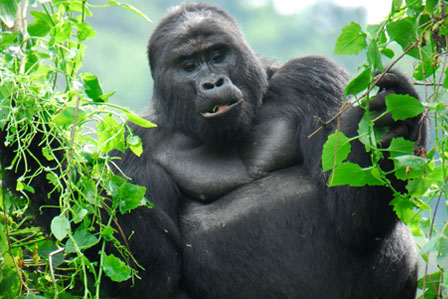
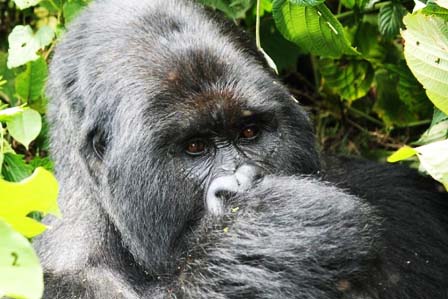
When the gorillas are finally located, visitors are allowed to spend a maximum of one hour in their presence. This limited time is carefully enforced to protect the gorillas from stress and potential disease transmission. During the encounter, travelers witness intimate moments such as mothers caring for infants, juveniles playing, and silverbacks calmly overseeing their families. Standing just meters away from these powerful yet gentle animals creates a profound emotional connection, often leaving visitors speechless and deeply moved.
Social Life of Mountain Gorillas
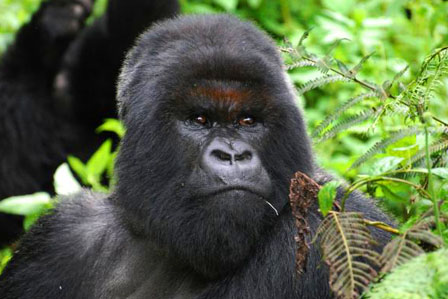
Mountain gorillas live in stable family groups led by a dominant silverback. These groups are highly social, with members coordinating their daily activities such as feeding, moving, and resting. Interactions within the group are generally peaceful, although minor conflicts may occur over feeding areas, expressed through vocal sounds or brief displays of dominance.
Group sizes vary from five to thirty individuals, with an average of around ten. A typical group consists of one dominant silverback, one or two subordinate males, several adult females, and a number of juveniles and infants. Young gorillas are especially playful and energetic, often seen climbing, chasing each other, and engaging in playful behavior that adds charm to the trekking experience.
Feeding Habits of Mountain Gorillas
Mountain gorillas are primarily herbivorous and spend a large portion of their day feeding to sustain their massive bodies. Their diet consists of a wide variety of forest vegetation, including leaves, shoots, stems, bark, roots, flowers, and seasonal fruits. Occasionally, they may consume small insects found in plants. Due to their size, adult males can eat up to 34 kilograms of vegetation per day, while females consume slightly less. This continuous feeding behavior shapes their daily movements and makes tracking possible, as rangers follow feeding trails left behind in the forest.
Physical Preparation and Trekking Requirements
Gorilla trekking requires a moderate level of physical fitness, as the hike may involve walking through steep slopes, muddy trails, and dense forest vegetation. The length and difficulty of the trek depend on the movement of the gorilla family on the day of the activity. While prior trekking experience is not mandatory, light preparation such as regular walking or hiking before the trip is highly recommended. Being physically prepared allows travelers to enjoy the experience comfortably and focus on the encounter rather than fatigue.
Appropriate trekking gear is essential for safety and comfort. Sturdy waterproof hiking boots with good grip are recommended, along with long trousers and long-sleeved shirts to protect against vegetation and insects. A waterproof jacket, layered clothing, and gloves are useful due to changing weather conditions. Visitors should carry drinking water, snacks, insect repellent, sunscreen, and a camera. Hiring a porter is optional but beneficial, as they assist on steep sections and support the local community.
Gorilla Tracking Rules and Visitor Guidelines
To ensure the safety of both gorillas and visitors, strict rules are followed during the trek. A minimum distance of seven meters must be maintained at all times, and flash photography is not allowed. Visitors are required to remain calm, speak quietly, and avoid sudden movements. All instructions from guides and rangers must be followed throughout the experience.
Health regulations are also strictly enforced, as gorillas are vulnerable to human diseases. Visitors with flu, cough, or other contagious illnesses are not permitted to trek. Eating, smoking, or littering near the gorillas is prohibited, and children under fifteen years are not allowed to participate. Time spent with the gorillas is limited to one hour to minimize disturbance and protect their natural behavior.
Best Time for Gorilla Trekking in Rwanda
Gorilla trekking in Rwanda is available year-round, offering flexibility for travelers. The drier months from June to September and December to February are generally preferred due to easier hiking conditions and less mud on the trails. These periods are ideal for travelers seeking more comfortable trekking and clearer photography conditions.
The wetter months bring lush vegetation, fewer visitors, and a quieter trekking experience. Although trails can be more challenging, gorilla sightings remain reliable throughout the year due to skilled tracking teams. Each season offers a unique atmosphere, allowing travelers to choose based on their preferences.
Weather and Forest Conditions
The Volcanoes region experiences a cool and moist climate due to its high elevation, with temperatures often lower than in other parts of Rwanda. Early mornings can be cold, while rain showers may occur at any time of the year, sometimes without warning. Thick mist frequently drifts through the forest, creating a dramatic and almost mystical atmosphere that enhances the sense of adventure. Because weather conditions can change quickly, travelers should always be prepared for rain, cold, and mud, which are all natural elements of the gorilla trekking experience and part of its authentic charm.
Community and Conservation Impact
Gorilla trekking in Rwanda plays a vital role in conservation and community development. A significant portion of gorilla permit revenue is reinvested into protecting wildlife, training and equipping park rangers, and funding veterinary services that monitor gorilla health. Additionally, revenue-sharing programs support local communities living around the park by financing schools, health centers, clean water projects, and infrastructure development. This model ensures that local people benefit directly from tourism, fostering a strong sense of ownership and responsibility toward protecting gorillas and their habitat for future generations.
Cultural Experiences Around Volcanoes National Park
Beyond gorilla trekking, the area surrounding Volcanoes National Park offers enriching cultural experiences that add depth to any safari. Visitors can engage in community walks, interact with local residents, and learn about traditional Rwandan ways of life. Cultural performances featuring music, dance, and storytelling provide insight into the region’s history and heritage. These experiences not only enhance cultural understanding but also support local artisans, performers, and community groups, making tourism a powerful tool for cultural preservation.
Photography and Memory Keeping
Gorilla trekking provides exceptional opportunities for photography and capturing once-in-a-lifetime memories. The dense forest environment, combined with mist and filtered light, creates dramatic and atmospheric images. Cameras with good low-light performance are highly recommended, as flash photography is not allowed. While photography is encouraged, visitors are reminded to prioritize respect for the gorillas by maintaining distance, minimizing movement, and following all park rules. Many travelers find that the emotional connection formed during the encounter is just as powerful as the photographs they take home.
Why Choose Gorilla Trekking in Rwanda
Rwanda is widely recognized as one of the best destinations in the world for gorilla trekking due to its strong conservation policies, professional guiding standards, and excellent infrastructure. The country’s commitment to sustainable tourism ensures that gorilla trekking is conducted responsibly, benefiting both wildlife and local communities. Choosing Rwanda for gorilla trekking is not simply about seeing gorillas, it is about participating in a meaningful conservation success story and experiencing one of Africa’s most intimate and transformative wildlife encounters.




To Murchison Falls
To Queen Elizabeth


Most Popular Uganda Safaris
© 2026 African Adventure Travellers. All Rights Reserved.