

Volcanoes National Park – Parc des Volcans
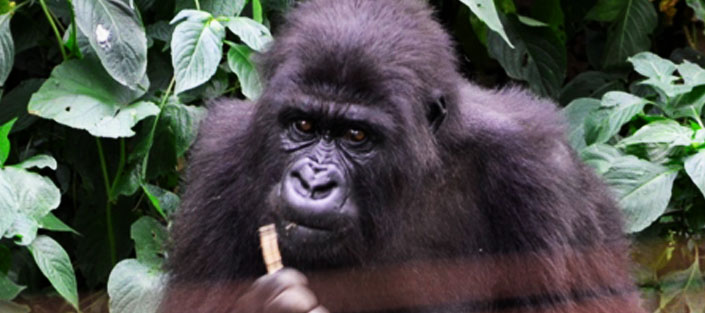
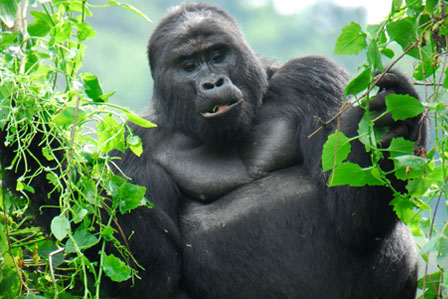
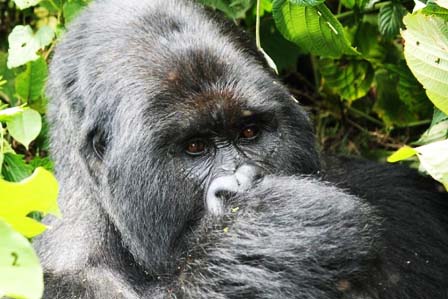
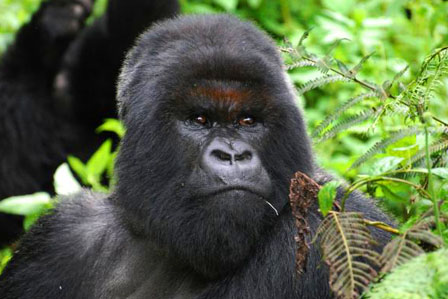
Volcanoes National Park, also known as Parc des Volcans, is located in the northwestern part of Rwanda. It is world-famous for its rare Mountain Gorillas and borders both Virunga National Park in the Democratic Republic of Congo and Mgahinga Gorilla National Park in Uganda. The park’s landscape is dominated by dense rainforest spread across five extinct volcanoes, providing a unique habitat for a wide variety of wildlife. It is home to about half of the world’s remaining mountain gorilla population, making it a critical site for conservation and one of Africa’s most sought-after wildlife destinations.
History of the Park
Volcanoes National Park was first gazetted in 1925 as a small protected area surrounding Mount Karisimbi, Visoke, and Mikeno, with the primary objective of safeguarding the Mountain Gorillas from rampant poaching. By 1929, it officially became one of the very first national parks established in Africa, covering approximately 125 square kilometers. Over the decades, the park has grown in importance, serving as a global center for gorilla conservation, scientific research, and sustainable eco-tourism. Today, it stands as a symbol of Rwanda’s strong commitment to wildlife protection and responsible tourism.
Gorilla Families in the Park
Volcanoes National Park is home to several habituated gorilla families that are open to visitors for trekking. Currently, there are about ten habituated groups, each with distinct characteristics, social structures, and trekking challenges. These families vary in size, temperament, and location within the park, making every trek unique:
- Susa Group – the largest, with 41 members.
- Kwitonda Group – around 18 members, known for its strong silverback leadership.
- Sabyinyo Group – smaller due to several historical splits.
- Amahoro Group – about 17 members, calm and approachable.
- Group 13 – growing, with 25 members.
- Umubano Group – around 11 members.
- Hirwa Group – still growing, including members from other families.
Each gorilla family provides a unique trekking challenge depending on their location, movement, and terrain.
Gorilla Trekking Rules and Arrangements
Gorilla trekking in Volcanoes National Park must be arranged in advance, usually at least three months prior to the intended trekking date, due to limited permit availability. The park enforces strict trekking regulations to protect both visitors and gorillas. These rules include maintaining a safe viewing distance, moving quietly, limiting time spent with gorillas, and strictly following ranger instructions. These measures ensure minimal disturbance to the gorillas while providing visitors with a safe and ethical wildlife experience.
Preparing for the Trek
Proper preparation is key to enjoying gorilla trekking comfortably. Visitors are advised to pack essential items that support safety and convenience in the forest environment. These include;
- To make the most of your gorilla trekking experience, it is important to come prepared. Essential items include:
- A good camera to capture unforgettable moments.
- Light and heavy clothing to adapt to changing weather conditions.
- Insect repellent to protect against forest insects.
- A cap or hat for sun or rain protection.
- Sturdy hiking boots for trekking through uneven and muddy forest trails.
Being well-prepared allows trekkers to focus on the experience rather than physical discomfort.
Trekking Through Volcanoes National Park
The trekking experience begins with an early morning briefing at the park headquarters, where guides explain the rules and assign gorilla families based on fitness level and trail conditions. Trekkers then venture into the forest, passing through dense rainforest, bamboo zones, and volcanic slopes. The terrain can be challenging, but the journey itself is rewarding, offering scenic views and a strong sense of adventure.
Locating the gorillas is unpredictable, some treks may take less than an hour, while others last several hours. Once the gorillas are found, visitors are allowed a maximum of one hour to observe them as they feed, groom, rest, and interact naturally. The return trek offers time to reflect, enjoy the scenery, and appreciate the rare privilege of witnessing gorillas in the wild.
Wildlife Beyond Gorillas
Although Mountain Gorillas are the park’s main attraction, Volcanoes National Park supports a diverse range of wildlife that enriches the overall safari experience. Visitors may encounter golden monkeys, forest elephants, buffaloes, bush pigs, duikers, and a wide variety of bird species that thrive within the park’s different ecosystems. Golden monkey tracking is particularly popular and provides a lively contrast to gorilla trekking, as these energetic primates leap swiftly through bamboo forests in playful groups. For wildlife enthusiasts, the presence of multiple species adds depth and excitement to every trek through the park.
Flora and Volcanic Landscapes
The park’s landscape is remarkably diverse, shaped by altitude, climate, and volcanic history. Vegetation ranges from dense tropical rainforest and bamboo zones to afro-alpine meadows at higher elevations. The slopes of the five extinct volcanoes, Karisimbi, Bisoke (Visoke), Muhabura, Gahinga, and Sabyinyo, create dramatic scenery featuring crater lakes, mist-filled valleys, and rugged volcanic ridges. As hikers move through the park, they are rewarded with panoramic views of rolling hills, towering peaks, and cloud-covered forests, giving the area a mystical and almost otherworldly atmosphere that defines the Volcanoes region.
Conservation and Community Impact
A visit to Volcanoes National Park goes beyond wildlife viewing, it plays a vital role in conservation and community development. Revenue from gorilla permits directly supports gorilla protection programs, park management, ranger training, and veterinary care. In addition, community revenue-sharing initiatives fund schools, healthcare facilities, clean water projects, and local infrastructure. This approach ensures that communities living around the park benefit from tourism, fostering strong local support for conservation and long-term protection of wildlife.
Ideal Time to Visit
Volcanoes National Park can be visited throughout the year, although trekking conditions vary depending on the season. The dry months from June to September and December to February are ideal for easier hiking, firmer trails, and more comfortable trekking conditions. The wet seasons, from March to May and October to November, bring lush vegetation, dramatic scenery, and fewer visitors. While trails may be muddier, these months offer a quieter and more intimate experience within the forest.
Photography and Memory Keeping
The park offers outstanding photography opportunities, from mist-covered landscapes and volcanic peaks to close encounters with gorilla families. Forest lighting can be dim, so cameras with good low-light performance are recommended. While photography is encouraged, visitors must strictly follow park regulations, including avoiding flash photography, to ensure the comfort and safety of the gorillas. The images captured here often become lasting reminders of a rare and deeply emotional wildlife experience.
Why Visit Volcanoes National Park
Volcanoes National Park brings together exceptional wildlife encounters, breathtaking volcanic scenery, and strong conservation values. A journey here is more than a traditional safari, it is a meaningful experience that connects travelers with nature, supports endangered species protection, and leaves lasting memories of one of Africa’s most remarkable natural destinations.





To Murchison Falls
To Queen Elizabeth



Most Popular Uganda Safaris
© 2026 African Adventure Travellers. All Rights Reserved.