

Masai Mara National Wildlife Reserve-Kenya.
The Masai Mara National Wildlife Reserve is found in the western part of Kenya about 280km from the main capital city of Nairobi. Mara can be reached with a 4-5hrs drive and can be accessed through 6-entry gates which include among others: Sekenani gate, Oloololo gate, Oloolaimutia gate, Talek gate, Sand River gate and Musiara gate.
The Maasai Mara as originally called by the masai people who leave with in and out side of the wildlife rserve grazing their live stock mainly goats, sheep and cattle have leaved around the rift valley area and will guide visitors through their homesteads and have learnt how to drive and guide visitors spotting the wildlife.
The Maasai Mara was first established in 1962 as a sanctuary and only stood on 520 sq km of land which was later extended in 1961 covering 1821sqkm. After some community wrangles, Narok council took over control of the reserve and part of the land was given back to some community. Today the Mara Wildlife Reserve covers an area of 1,510 sqkm
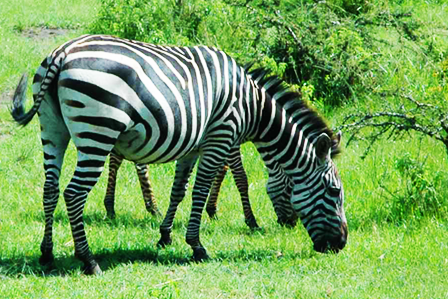
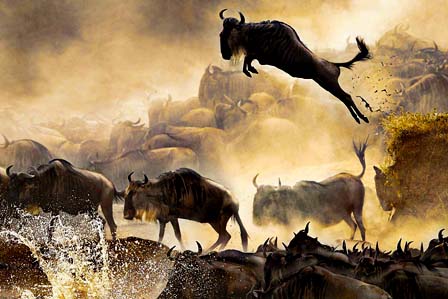
The Mara Wildlife Reserve is best known for its usual Great Wildebeest migration which cross the mara river together with the Zebras and Thomson's gazelles to the Serengeti and back through July,August and September. The migration may however start early in June and can go till October. Other widlife like the Zebras and Wildebeests that don't migrate are often called the mara residents.
Masai Mara National Reserve is one of the most celebrated wildlife destinations in Africa, famed for its vast open savannahs, abundant wildlife, and dramatic scenes of nature’s rhythms. Spanning over 1,500 km² in southwestern Kenya, it forms the northern extension of the Serengeti ecosystem, creating one of the last intact large mammal migrations on Earth.
Wildlife Richness & Big Cat Action
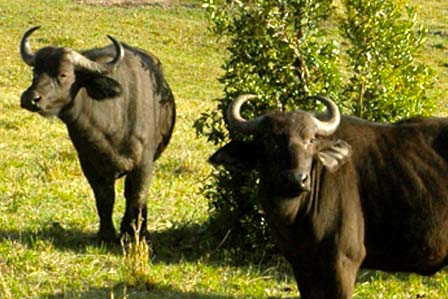
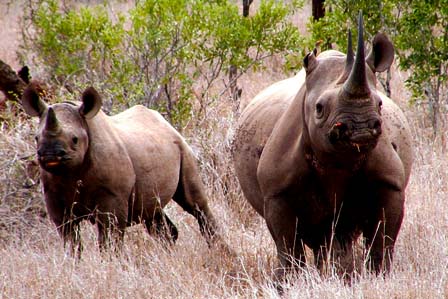
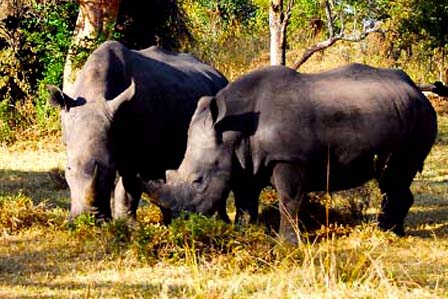
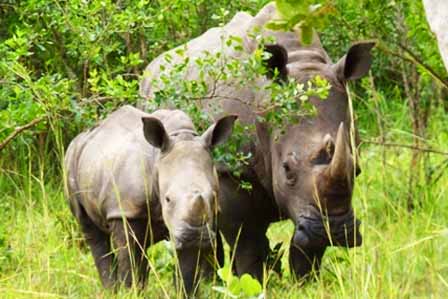
The Masai Mara boasts some of Africa’s highest densities of predators, especially lions, cheetahs, and leopards. It is also home to elephants, buffalo, and rhinos, meaning visitors frequently encounter the Big Five on game drives.
More than 470 bird species inhabit the reserve, making it a paradise for birdwatchers as well as wildlife enthusiasts.
The Great Wildebeest Migration – Nature’s Greatest Show
Each year from July to October, more than 1.5 million wildebeest, hundreds of thousands of zebras, and gazelles make their way north into the Masai Mara plains in search of greener grass after leaving the Serengeti in Tanzania. This annual event, including dramatic river crossings filled with crocodiles, is widely regarded as one of the greatest wildlife spectacles in the world.
Best Times to Visit
-
Dry Seasons (June – October & January – February): Best for wildlife visibility and migration crossings.
-
Green Seasons (March – May & November – December): Fewer crowds, vibrant green landscapes, and excellent birding.
Safari Activity Ideas
In addition to traditional game drives, visitors often enjoy:
-
Hot air balloon safaris at sunrise, a spectacular aerial view of the Mara plains, often ending with a champagne breakfast.
-
Cultural visits to Maasai villages, where travellers learn about the Maasai people’s traditions, dress, and way of life.
-
Guided nature walks and birdwatching for a closer look at flora and fauna beyond the big mammals.
Maasai Culture & Community
The Maasai people are indigenous to this region and are known for their rich cultural heritage, vibrant clothing, beadwork, and traditional dances such as the “adumu” jumping dance performed by warriors. Visiting a Maasai village offers insight into their deep connection with the land and wildlife.
Practical Safari Tips
-
Pack wisely: Light neutral‑coloured clothes, a wide‑brim hat, sunscreen, good walking shoes, and binoculars enhance your experience.
-
Vehicle rules: Stay with your vehicle during game drives unless your guide says otherwise, this helps keep you safe and protects wildlife.
-
Respect park guidelines: Keep safe distances from animals, avoid loud noises, and never litter.
Safari Planning
Game viewing is excellent year‑round, but scheduling a visit during the migration peak season (July – September) maximises your chances of witnessing river crossings and large herds on the move. Choosing lodges within private conservancies, such as those around the Mara North or Naboisho, can offer more intimate wildlife experiences with fewer vehicles than the main reserve.
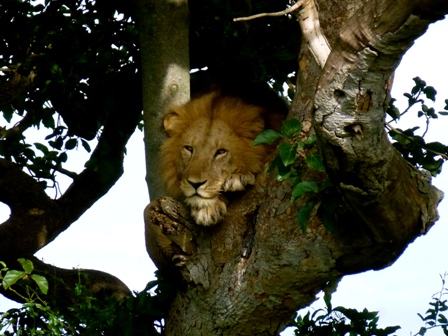
- Masai lions.
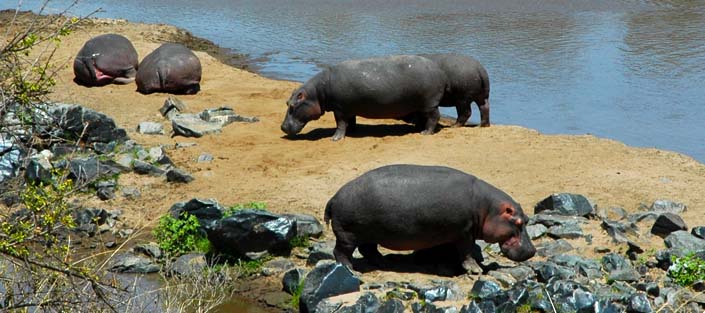
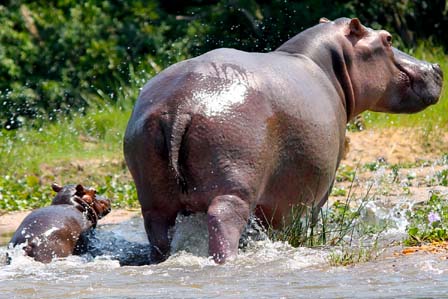
- Hippos in some swamps and Mara River.
- Crocodiles in the Mara river.
- Cheetahs.
- Leopards.
- Elephants.
- Wildebeests.
- Zebras.
- Warthogs - Pumbas.
- Rhinos.
- Bufalloes
- Thomson's gazelles,and many more!





To Murchison Falls
To Queen Elizabeth


Most Popular Uganda Safaris
© 2026 African Adventure Travellers. All Rights Reserved.